Stay Connected Everywhere With One Global eSIM Plan
Have you ever wished for a simpler way to stay connected when you travel? An international eSIM is a digital SIM card that lets you instantly activate a mobile plan in a foreign country without needing a physical plastic card. You simply scan a QR code or download a profile, and your phone connects to a local network for data, calls, and texts. This means you can avoid expensive roaming fees and the hassle of swapping SIMs at airports.

What You Need to Know Before Switching to a Global Data Plan
Before switching to an international eSIM for a global data plan, confirm your device is unlocked, as carrier locks will prevent activation. You must also verify that your phone supports eSIM technology; even many recent models do not. Critically, a global plan’s coverage can vary dramatically by country, so check if your destination’s local networks are included rather than relying on roaming partners. Data speeds are often capped, not unlimited, so prioritize plans with clear, high-speed caps. Avoid selecting a plan solely on price; factor in customer support availability for troubleshooting connectivity issues abroad.

How embedded SIM cards differ from traditional plastic cards
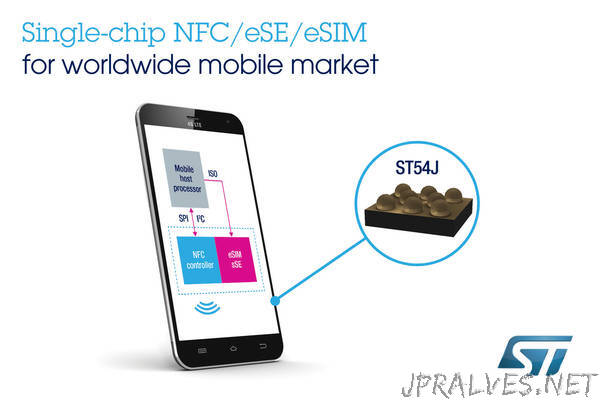
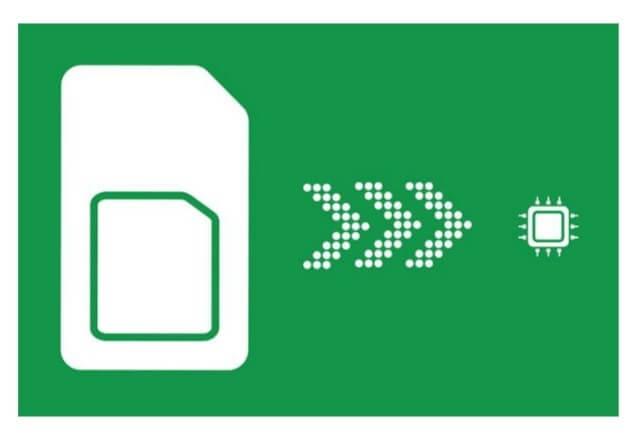
The biggest practical difference is that an eSIM is soldered inside your phone, not a removable plastic card. This means you activate a global data plan digitally by scanning a QR code or tapping in an activation code, rather than waiting for a physical SIM to arrive by mail. You can switch between multiple international carrier profiles stored on the chip without ever hunting for a SIM ejector tool. Since there’s no fragile plastic card to lose or swap, changing providers on a trip takes seconds instead of minutes.
- No need to carry a tiny card that can get lost when removing it.
- Activate a new plan instantly from your phone settings, no physical delivery.
- Store several global carrier profiles simultaneously and toggle between them.
- No SIM tray to fiddle with—switching providers is done entirely in software.
Key compatibility checks for your smartphone or tablet
Before jumping into a global data plan, you must verify your device’s compatibility through essential eSIM hardware checks. Confirm that your smartphone or tablet is https://baztel.co/esim-plans/esim-china-mainland unlocked from its carrier and explicitly supports eSIM technology—look for “eSIM” in your settings menu under Cellular or Mobile Data. Check your model’s IMEI against your provider’s whitelist, as older or region-locked devices, like some Chinese or US variants, may block activation. Also ensure your operating system is updated, as iOS 17.4+ or Android 13+ often resolves profile installation glitches. Finally, test that your device accepts multiple eSIM profiles without conflict, critical for dual-line use abroad.
Which carriers and regions currently support this technology
For prepaid international eSIMs, leading global carriers like Airalo, Holafly, and GigSky support activation across 190+ regions, including the entire EU, North America, and most of Asia. Local carriers are also onboard: T-Mobile, Orange, and Vodafone offer native eSIM profiles for postpaid or prepaid roaming in their home countries. However, coverage varies by plan—some exclude Russia or parts of Africa. Q: Which carriers and regions currently support this technology? A: Most major networks in Europe, North America, and Southeast Asia support eSIM, but always check your destination’s specific carrier compatibility list before buying, as China and some Middle Eastern countries limit local eSIM activation for foreign travelers.
Top Benefits of Using a Virtual SIM While Traveling Abroad
Landing in a foreign airport, I no longer hunt for a local SIM kiosk. My international eSIM activates instantly as I step off the plane, offering immediate connectivity without swapping physical cards. The biggest benefit is keeping my primary number active for two-factor authentication while using a local data plan. I once avoided a €50 roaming surcharge by pre-loading a 10GB eSIM plan for $12. If my trip changes, I simply delete that eSIM and buy a new one for the next country—no wasted plastic, no store visits. This flexibility means I arrive connected, informed, and free from bill-shock.
Eliminating roaming fees and surprise charges
A virtual SIM eliminates surprise roaming fees by enabling travelers to purchase local data plans before departure, bypassing their home carrier’s inflated rates. No hidden daily surcharges apply, as usage is pre-paid at the destination market price. This ensures total cost predictability, regardless of how many countries you visit. Without a physical SIM swap, you avoid per-minute or per-MB bills that often trigger shock charges upon return. The only cost is the flat-rate eSIM plan you select, making budgeting straightforward and removing the risk of accidental data overage fees entirely.
Keeping your home number active while adding a second line
When you add an international eSIM as a second line, your primary home number remains fully active on your device’s primary SIM slot. This setup allows you to receive SMS for two-factor authentication and bank alerts on your home number without removing or deactivating it. You simply assign your home line exclusively for calls and texts while the eSIM handles data abroad. This eliminates the need to forward calls or notify contacts of a temporary number. The key advantage is uninterrupted home number access for verification codes and emergency contact from your original carrier during travel.
Keeping your home number active while adding a second line via eSIM ensures you never lose access to SMS-based verification or personal calls while using foreign data.
Instant activation without visiting a local store
One of the top benefits of using an international eSIM is instant activation without visiting a local store. After purchasing a plan online, you scan a QR code or download a profile directly to your device, gaining immediate connectivity upon arrival. This eliminates the need to find a shop, wait in line, or swap physical SIM cards while jet-lagged. The entire process, from purchase to full data access, typically takes under a minute. Direct eSIM provisioning means you can begin navigating and communicating the moment your plane lands.
Q: Can I activate the eSIM before my flight?
A: Yes, many providers allow you to install the eSIM profile at home, with activation triggered automatically when you connect to a local network at your destination.
Comparing Data Packages from Leading Providers
When comparing data packages from leading providers for international eSIM, focus on per-gigabyte cost, data validity, and coverage scope. For example, Airalo offers regional bundles with 30-day validity, while Holafly emphasizes unlimited data for shorter trips. Which provider gives the best global value? Typically, providers like Ubigi win for competitive multi-country pricing, but AlwaysOnline Wireless excels for long-term travelers with rollover data. Check if the package includes 5G speeds or throttling after a fair-use cap. Avoid plans offering minuscule data at high per-MB rates; instead, prioritize those with transparent breakdowns of included countries and network partners.
Regional vs. worldwide coverage options and price differences
Choosing between regional and worldwide coverage hinges on a trade-off between breadth and cost. Regional plans offer coverage across a specific continent or zone, like Europe or Asia, at a significantly lower price per gigabyte. Worldwide packages, by contrast, provide a larger, often global footprint but command a premium due to their wider network agreements. For a trip staying within one zone, a regional vs. worldwide coverage analysis usually favors the former for cost savings. However, a multi-country itinerary spanning continents makes a worldwide plan more practical, as the per-gigabyte price gap narrows once you avoid stacking multiple regional plans.
Speed tiers, throttling policies, and fair usage limits
When comparing international eSIM data packages, speed tier throttling policies dictate your actual experience. Many providers advertise “unlimited” data but enforce a hard speed cap (e.g., 256 Kbps) after a certain daily GB threshold, rendering video streaming and web browsing painfully slow. Others offer tiered plans with distinct 5G, 4G, or 3G speed locks, while premium plans maintain full speeds until hitting a strict fair usage limit (FUP). Always check if throttling is per-day or per-trip, as some providers reset speeds after 24 hours, while others permanently slow you down.
- Throttled speed (e.g., 128 Kbps to 2 Mbps) after FUP is the most common bottleneck.
- Fair usage limits vary wildly—from 500 MB to 50 GB—before speed tiers drop.
- Some eSIMs lock you to 4G-only, preventing 5G network access regardless of device.
- “Unlimited” plans often hide daily caps that trigger aggressive speed throttling.
Popular brands like Airalo, Holafly, and Orange Travel
Airalo, Holafly, and Orange Travel each cater to distinct traveler priorities. Airalo offers granular, single-country or regional plans with a straightforward app for top-ups. Holafly specializes in unlimited data for a fixed period, ideal for heavy streamers, though its tethering is sometimes restricted. Orange Travel provides a robust, multi-country package under a single eSIM, often with a stable local number for calls. For those prioritizing unlimited data eSIM flexibility, Holafly’s model contrasts sharply with Airalo’s data-cap approach.
| Brand | Best For | Key Limitation |
|---|---|---|
| Airalo | Low-cost, flexible data caps | No unlimited plans |
| Holafly | Unlimited data, simple duration | Often blocks tethering |
| Orange Travel | Regional coverage + local number | Higher base price |
Step-by-Step Guide to Setting Up a Digital SIM Profile
First, check that your phone is eSIM-compatible and unlocked. Then, purchase an international eSIM plan from a provider; you’ll receive a QR code or activation code via email. Go to your phone’s settings, select “Cellular” or “Mobile Data,” and tap “Add eSIM.” Scan the QR code or enter the code manually. Follow the on-screen prompts to label the plan (e.g., “Travel”) and set it as your data line while keeping your home number for calls. Once activated, switch off your original SIM if you’re roaming. Important: A common question is whether you can switch back to your home SIM—yes, just toggle it on in cellular settings.
Checking device settings and unlocking requirements
Before installing an international eSIM, verify your device is carrier-unlocked for eSIM. Navigate to Settings > General > About, then look for a “Carrier Lock” field—it must read “No SIM restrictions.” For Android, check Settings > Connections > SIM Manager to confirm eSIM support. Unlocking requirements vary: contact your current carrier to request an unlock if a lock is present; they often require the device to be fully paid off and not reported stolen. After unlocking, scan the QR code or enter the activation code provided by the eSIM provider.
- Confirm your device model appears on the eSIM provider’s compatibility list.
- Ensure your phone’s software is updated to the latest version.
- Remove any physical SIM if the eSIM is the primary line.
Scanning a QR code or downloading a provider app
Activation begins by either scanning a QR code or downloading a provider app. For a QR code, navigate to your device’s cellular settings, select “Add eSIM,” and scan the code provided in your purchase confirmation email. If using an app, install it from the official store, then log in and follow the on-screen prompts to install the profile. A stable Wi-Fi connection is critical during this step to prevent download errors. Direct QR code scanning bypasses app installation entirely, though both methods link your device to the carrier’s network.
- Open device settings and choose “Add Cellular Plan” or “Add eSIM.”
- Scan the QR code with your camera, or tap “Download” within the provider app.
- Confirm the profile installation and label it (e.g., “Travel eSIM”) for later use.
Managing multiple profiles for different destinations
Managing multiple profiles for different destinations requires careful organization within your device’s eSIM manager. First, label each profile with the specific country or region (e.g., “Japan – 10GB”) and the installation date. This prevents confusion when switching between active lines. To avoid unintended data charges, set a default line for voice and SMS, then individually activate the specific destination profile only upon arrival. After returning, deactivate the used profile to keep your list clean.
- Open your phone’s cellular settings and select the destination profile.
- Toggle “Turn On This Line” only when you land.
- Disable it again before switching to a new region.
Common Pitfalls and How to Avoid Them
A common pitfall when using an international eSIM is activating it before departure, which burns the plan’s clock. Avoid this by waiting to enable the eSIM until you land at your destination. Another mistake is installing the eSIM while still relying on your primary physical SIM without adjusting data roaming settings, leading to unexpected charges. To prevent this, set your primary line for calls/SMS only and designate the eSIM as the sole data source in your phone’s cellular menu. Many users also forget to download the eSIM profile before leaving Wi-Fi range; save the QR code or installation link in advance. Finally, always verify local network compatibility—some eSIMs do not support voice services or specific bands, so confirm data-only functionality if that is all you need.
Understanding data-only vs. voice and text limitations
A key pitfall with international eSIMs is assuming all plans include voice and text. A data-only eSIM plan provides internet access but no native call or SMS capability, leaving you unable to verify bank logins via text or make local calls without a workaround. Voice and text plans add a virtual number for two-factor authentication and VoIP alternatives like WhatsApp, which bypass carrier minutes but still require data. Relying on a data-only plan for emergency calls is unreliable, as these services often need a live carrier connection. Always check if your destination’s essential services—like taxi apps or local portals—require a traditional phone number.
Understand the core distinction: data-only eSIMs grant internet but no calls or texts; voice-and-text plans include a native number for essential verifications and local connectivity.
Battery drain and network switching issues
eSIM roaming can unexpectedly drain your battery as the phone constantly scans for the strongest local network, especially in regions with patchy coverage. This aggressive search causes rapid power loss, while automatic network switching between providers often triggers brief disconnections or failed data sessions mid-use. To counter this, manually lock your device to a specific carrier once connected, rather than letting it auto-switch. Disable background app refresh and reduce polling intervals for email. If battery drops severely, toggle airplane mode momentarily to force a clean re-registration on the chosen network, preventing the fruitless search cycle that wastes both power and connectivity.
What to do if activation fails in a foreign country
If activation fails, first ensure your device is connected to Wi-Fi, as many eSIMs require a stable internet connection to complete the profile download. Manually entering the activation code or scanning the QR code again can resolve glitches. Restart your phone and toggle Airplane Mode. Verify that your phone is unlocked and supports the eSIM’s specific network bands. If the issue persists, contact your eSIM provider via customer support chat or email, providing your IMEI and order number. Some providers can push a new activation profile directly to your device within minutes.
To fix activation failure abroad, reconnect to Wi-Fi, re-scan the QR code, restart your device, and contact provider support immediately with your order details.
Future Trends in Borderless Mobile Connectivity
The future of borderless mobile connectivity hinges on international eSIMs evolving into seamless, always-on gateways. These virtual profiles will eliminate physical SIM swaps, enabling instant network switching between local carriers at optimal speeds, not just for data but for voice and SMS across any national boundary. A key trend is dynamic carrier aggregation, where a single eSIM autonomously bonds multiple local networks for redundant, high-bandwidth connections, effectively creating a personalized global mesh that never drops signal. This will make roaming invisible, fundamentally shifting user expectations from “activating a plan” to simply being permanently connected with uninterrupted service, regardless of geographic location. The focus moves away from regional coverage to effortless, protocol-level interoperability.
Integration with IoT devices and travel gadgets
International eSIMs enable seamless multi-device roaming by integrating directly with IoT travel gadgets like smart luggage tags, GPS trackers, and wearable translators. A single eSIM profile can simultaneously connect a phone, a portable hotspot, and a smartwatch to local networks, eliminating separate SIM swaps for each device. Sensors in luggage alert travelers about location via the eSIM’s data channel, while auto-translating earbuds maintain a persistent connection without phone tethering. This IoT integration allows gadgets to independently manage data allowances and switch networks when crossing borders, ensuring continuous connectivity for tracking, communication, and health monitoring during travel.
Carrier partnerships and eSIM-only travel plans
Carrier partnerships now enable seamless activation of eSIM-only travel plans directly through a primary provider’s app, bypassing physical SIM swaps. These agreements allow travelers to purchase destination-specific data bundles that piggyback on a local partner’s network, ensuring instant connectivity upon landing. Plans are fully digital: users scan a QR code or tap a profile download, with billing consolidated on their home carrier invoice. Roaming charges are replaced by flat-rate data allowances, and dual‑SIM capabilities keep the domestic line active for calls while the eSIM handles foreign data.
Carrier‑backed eSIM‑only plans merge local networks with a single provider account—eliminating physical swaps, enabling pre‑purchased data, and maintaining domestic line access.
Potential impact on physical SIM cards long-term
The long-term trajectory for physical SIM cards points toward gradual obsolescence for international travel. As eSIM profiles become ubiquitous, carriers will likely phase out plastic SIM issuance for global roaming, relegating them to legacy devices or niche markets. This shift eliminates the need to swap cards abroad, reducing hardware dependency and physical inventory costs for providers. Travelers will eventually face reduced physical SIM availability at airports and kiosks, forcing adoption of digital alternatives. However, security-conscious users may retain physical SIMs as offline fallback options for critical communications, creating a bifurcated market where digital becomes standard and physical a deliberate choice.
What Exactly Is a Global Travel SIM Card You Never Insert?
How Embedded SIMs Replace Physical Plastic Cards
The Core Difference Between a Local Plan and a Multi-Country Profile
How to Activate a Cross-Border Data Plan Before Your Trip
Scanning a QR Code to Install Your Remote Profile
Which Devices Support Multiple Mobile Plans Simultaneously